



Alternators
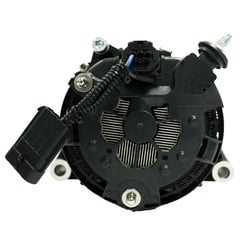

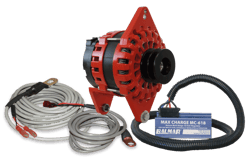
Balmar XT-DF4-250-DV-KIT 250 Amp Alternator Kit 12V Dual Foot Saddle Mount with MC-618 Regulator

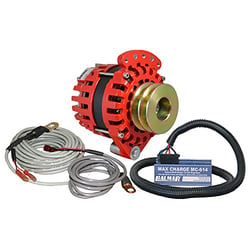
Balmar XT-SF-170-DV-KIT 170 Amp Alternator Charging Kit Single Foot Dual Vee Pulley 12V
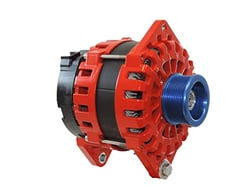
Balmar XT-DF-250-J10 High-Output Marine Alternator 250 Amp 12V Dual Foot Saddle Mount
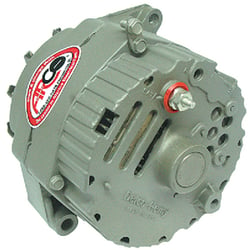
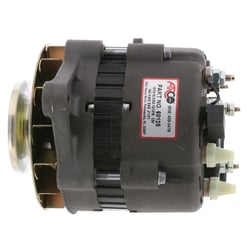
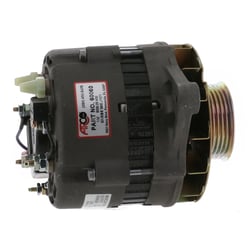
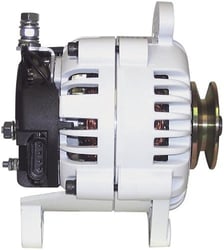
Balmar 60100SV 60-Series 100A 12V Alternator Dual Foot Saddle Mount 3.15" Isolated Ground
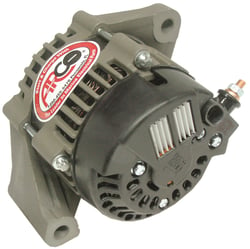
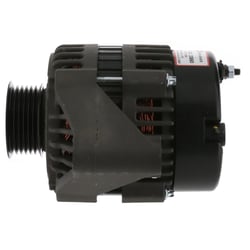
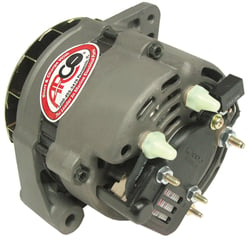
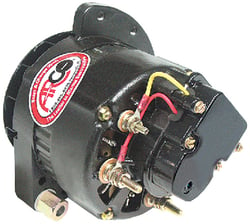
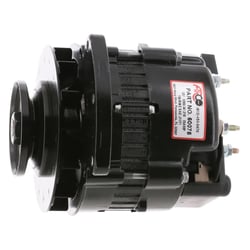
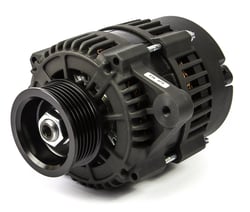
Sierra 18-6293 Alternator 7SI 70 Amp Hinge Mount Serpentine Pulley for Mercruiser

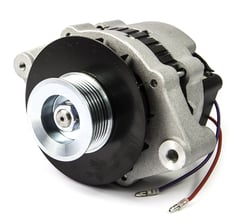
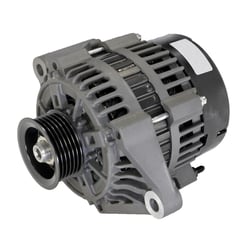
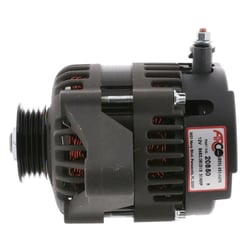
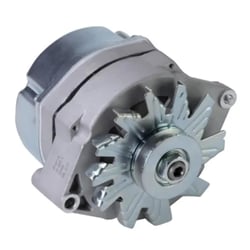
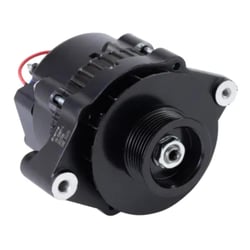
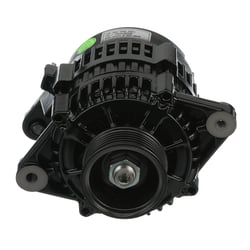
Quicksilver 862031T1 70 Amp Delco Alternator Serpentine Belt MerCruiser V6 V8

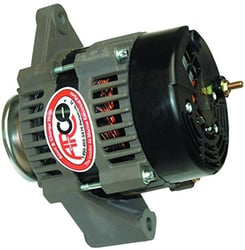
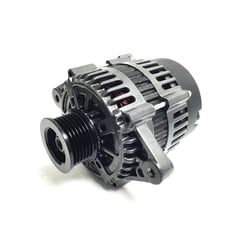
Sierra 18-6298 Alternator 70 Amp 7SI Hinge Mount Serpentine Pulley for Mercruiser
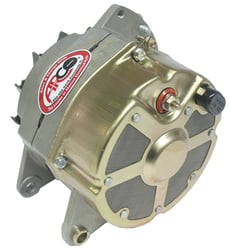
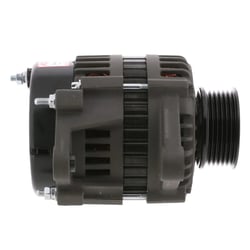
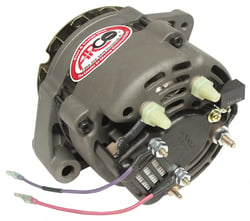
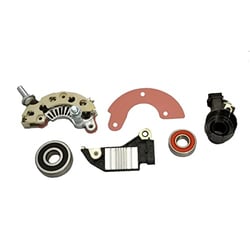
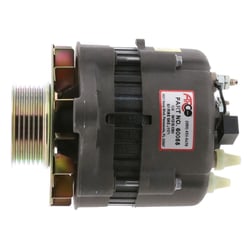
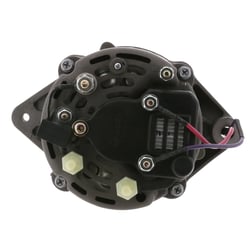
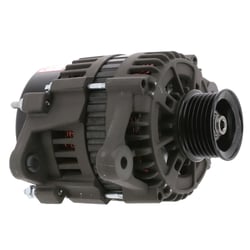
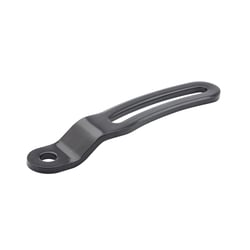
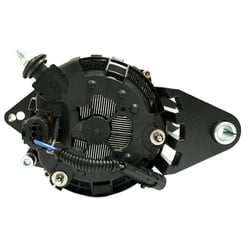
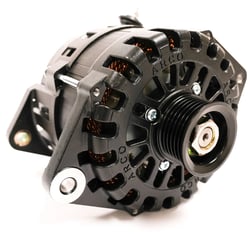
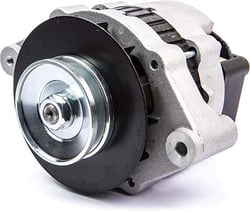
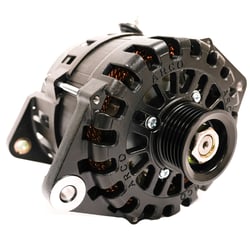
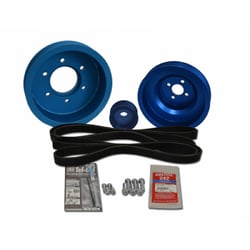
Balmar 48YSP4JHD Serpentine Pulley Kit for Yanmar 4JH3-TE 4JH3-HTE Marine Diesel
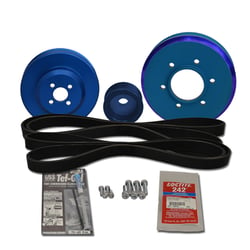
Balmar 48YSP4JHB Serpentine Pulley Kit for Yanmar 4JH4-HTE 4JH4-TE 4JH4-DTE Marine Diesel Engines
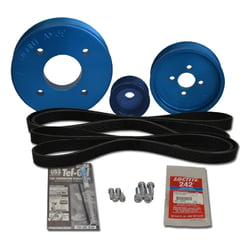
Balmar 48YSP3YMB AltMount Serpentine Pulley Conversion Kit for Yanmar Alternators - 3YM30
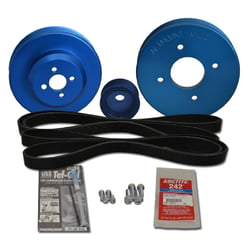
Balmar 48YSP3JHC Alternator Pulley Kit for Yanmar 3JH2-TE 3JH2-E Marine Diesel Engines
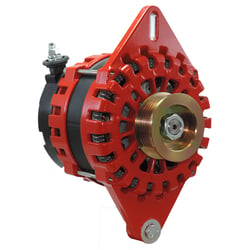
Balmar XTSF250K6 High Output Marine Alternator 250 Amp 12V Single Foot K6 Serpentine
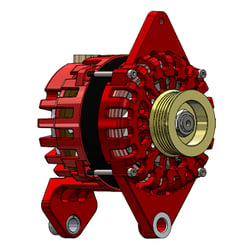
Balmar XTDF4170K6 High-Output Marine Alternator 170 Amp 12V Dual Foot Saddle Mount K6 Pulley
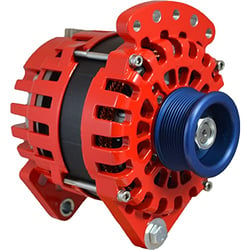
Balmar XT-CR-170-J10 High-Output Marine Alternator 170 Amp 12V Dual Foot Mount
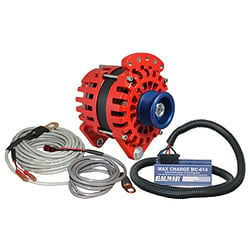
Balmar XT-DF-170-J10-KIT 170 Amp Marine Alternator Charging Kit with J10 Serpentine Pulley
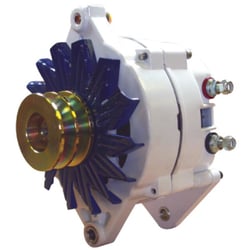
Balmar 621-120-J10 High-Output 120A 12V Marine Alternator Single Foot Spindle Mount J10 Serpentine Pulley

Balmar 60YP-MC-120-J10 60-Series 120 Amp Dual Foot Marine Alternator Kit with Regulator
Balmar 60YP-MC-120-DV 60-Series 120 Amp High-Output Marine Alternator Kit with MC-614 Regulator
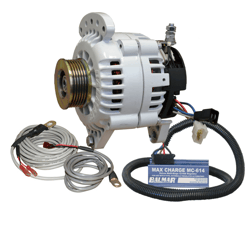
Balmar 60YP-MC-100-K6 100 Amp 12V Marine Alternator Charging Kit with MC-614 Regulator
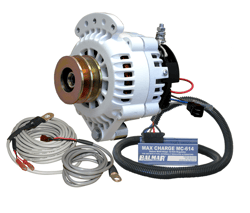
Balmar 621VUPMC120DV 6-Series 120A 12V Marine Alternator Kit with MC-614 Regulator and Dual Vee Pulley
Balmar 60YP-MC-120-K6 60-Series 120 Amp Dual Foot Marine Alternator Kit with MC Regulator
Balmar XT-SF-170-K6 XT-Series 170 Amp 12V Alternator Single Foot K6 Pulley
Balmar XT-SF-170-J10 High Output Marine Alternator 170 Amp 12 Volt Single Foot J10 Pulley
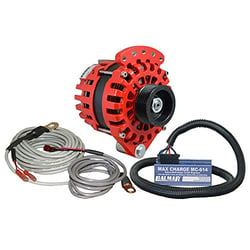
Balmar XT-SF-170-K6-KIT 170 Amp 12V Marine Alternator Charging Kit K6 Serpentine Pulley Single Foot Mount
Balmar XT-DF-170-J10 XT-Series High-Output Marine Alternator 170 Amp 12V Dual Foot
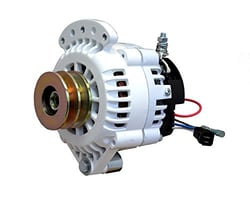
Balmar 621120DV 120 Amp 12V Marine Alternator Single Foot Spindle Mount Dual Vee Pulley
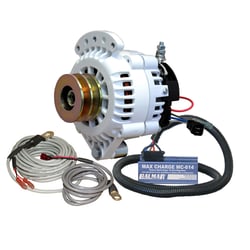
Balmar 621-VUP-MC-100-DV 100 Amp 12V Alternator Kit Single Foot Mount
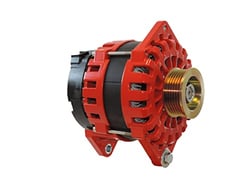
Balmar XT-DF-250-K6 High-Output Marine Alternator 250 Amp 12 Volt Dual Foot
 Representative Photo, actual item may vary
Balmar XT-CR-170-K6-KIT 170 Amp Marine Alternator Charging Kit for Yanmar Common Rail
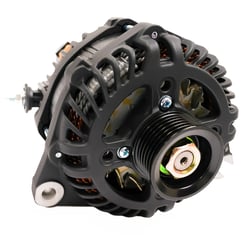
Arco Starting & Charging A275L-12-TR-IE-49K6 Zeus A275L Transit Alternator 275A 12V
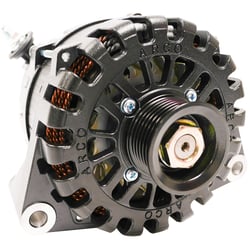
Arco Starting & Charging A275L-12-N62-IE-49K6 Zeus Marine Alternator 275A with Regulator
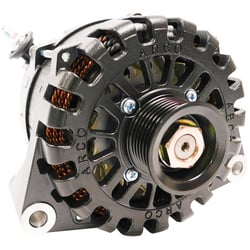
Arco Starting & Charging A275L-12-N62-EX-49K6 Zeus Marine Alternator 275A 12V
Why Your Marine or RV Alternator Matters
The alternator is the heartbeat of your vessel's or RV's electrical system. Unlike a battery — which simply stores energy — the alternator is what generates the electrical power that keeps that battery charged while your engine runs. On the water or on the road, a failing alternator can mean dead electronics, a discharged house bank, and ultimately a stranded vessel or motorhome. Choosing the right marine or RV alternator isn't just a maintenance task; it's a critical decision that affects safety, comfort, and reliability on every trip.
Marine Alternators vs. Automotive Alternators
Marine and RV applications demand more from an alternator than a typical passenger car ever will. Boats face constant exposure to salt spray, humidity, and vibration — conditions that will quickly corrode or destroy a standard automotive unit. Genuine marine-grade alternators are built with sealed or corrosion-resistant housings, heavier-duty bearings, and components that meet strict ignition-protection standards required in enclosed engine compartments. RV alternators, meanwhile, must handle prolonged charging cycles for large house battery banks powering refrigerators, inverters, air conditioners, and entertainment systems.
When shopping for a replacement or upgrade, key considerations include amperage output (higher-output units charge your batteries faster and support more electrical loads), voltage compatibility (12V being most common, but 24V systems exist on larger vessels), mounting configuration (bracket style must match your engine), and regulator type (internal vs. external, with external multi-stage regulators offering superior battery charging profiles).
Top Brands in Marine & RV Alternators
Balmar is widely regarded as the benchmark for high-output marine alternators. Their units are purpose-built for serious cruisers and liveaboards who run large battery banks and demand precise, multi-stage charging. Balmar's external regulators work in tandem with their alternators to deliver intelligent charge management that extends battery life significantly.
Arco Starting & Charging is one of the most trusted names in marine electrical replacement parts, offering a comprehensive catalog of drop-in alternator replacements engineered specifically for marine applications. With broad coverage across popular engine families, Arco makes it straightforward to find an exact-fit unit without modification.
Sierra has been a staple of the marine parts industry for decades. For over 50 years, Sierra has been offering high-quality engine and drive parts, and their alternators are no exception. Sierra Marine alternators are designed to OEM specifications, and all models meet or exceed USCG and SAE J1171 safety requirements and are 100 percent load-tested for assured reliability. Their lineup covers a wide range of Mercury Marine, Volvo Penta, OMC, and Indmar engine applications.
Quicksilver is Mercury Marine's own parts and accessories brand, making their alternators a natural choice for anyone running a MerCruiser or Mercury outboard-powered vessel. Quicksilver components are engineered to the exact OEM standards of the engines they support, offering confidence in both fit and function.
Engineered Marine Products (EMP) rounds out the category with a broad selection of remanufactured and new marine alternators designed to cover hard-to-find applications. EMP focuses on delivering reliable, application-specific charging solutions across a wide variety of engine platforms.
Choosing the Right Alternator
- Match your engine: Always verify compatibility with your specific engine make, model, and year before purchasing.
- Consider your electrical load: If you've added electronics, a watermaker, or an inverter, a higher-amperage alternator may be warranted.
- Think about the regulator: For lithium or AGM battery banks, an external smart regulator paired with a quality alternator will greatly improve charging efficiency and battery longevity.
- Check for marine certifications: Look for units that meet USCG and SAE J1171 standards to ensure ignition protection in enclosed engine spaces.