



Battery Chargers


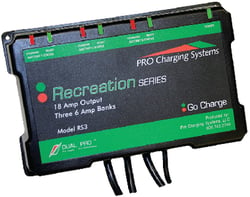


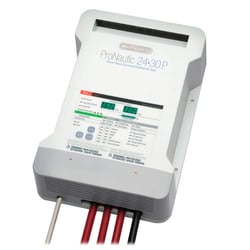
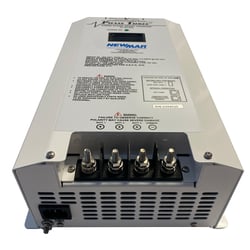
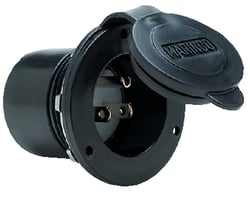
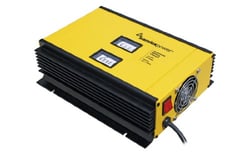
NewMar PT-24-45U 24V 45A Marine Battery Charger Three-Stage Smart Charging
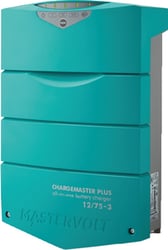

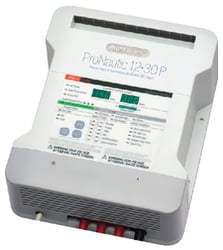
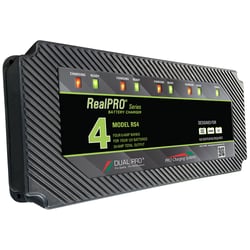
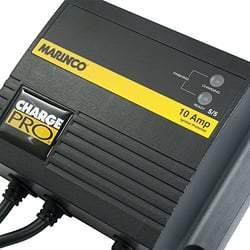

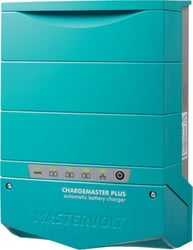
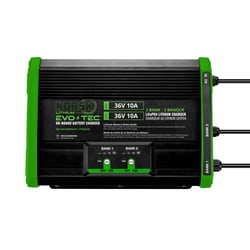

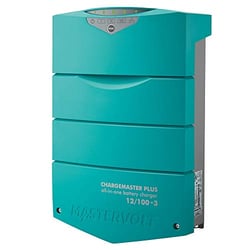
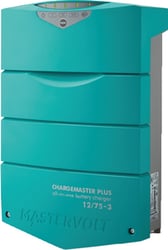
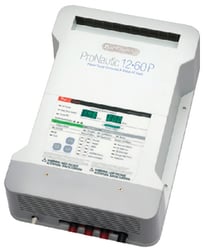
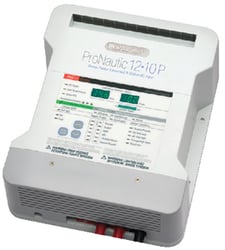
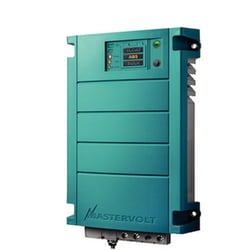
MasterVolt 44311005 ChargeMaster Plus CZone 3-Bank Battery Charger 12V 100A
 Representative Photo, actual item may vary
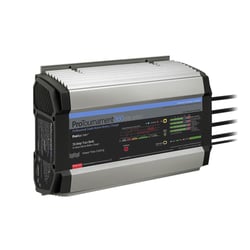
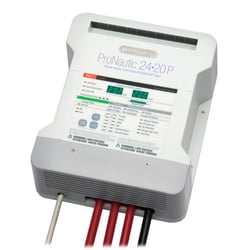
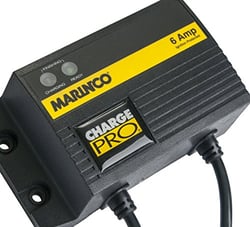

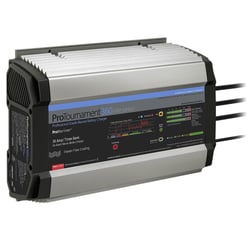

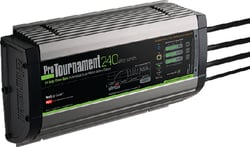
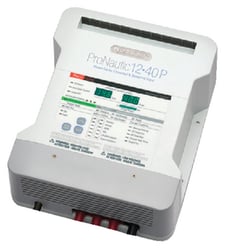
Pro Mariner 52024 ProTournament 240 Elite 24 Amp 2 Bank Waterproof Battery Charger
 Representative Photo, actual item may vary


Why a Quality Battery Charger Is Essential for RVs and Boats
Whether you're anchored in a remote cove or parked at a campsite far from the nearest hookup, reliable battery power is the backbone of every RV and marine electrical system. RV and marine batteries face demands that typical automotive batteries never encounter — extended periods of idle storage, constant exposure to moisture and vibration, and the burden of powering everything from navigation systems to cabin appliances simultaneously. A purpose-built battery charger is not just a convenience; it's a critical component for protecting your investment and ensuring safety on the water or the open road.
Understanding the Different Types of Battery Chargers
Choosing the right charger starts with understanding the options available. The two primary categories are onboard (fixed-mount) chargers and portable chargers, each suited to different boating and RVing lifestyles.
- Onboard Chargers: Permanently installed and wired directly into your vessel or RV's electrical system, onboard chargers offer unmatched convenience — simply plug into shore power when docked and walk away. They are purpose-built to withstand harsh marine environments, with fully sealed, waterproof housings and rugged construction. Multi-bank onboard models can independently charge two, three, or four batteries simultaneously, making them ideal for larger boats running separate trolling motor, house, and starting battery banks.
- Portable Chargers: Standalone units that connect with clamps or eyelets when needed and store away after use. Portable chargers offer flexibility — they can be used on multiple boats, vehicles, or at home in the garage. They are a practical choice for smaller craft, trailer boats, or budget-conscious owners who don't require a permanent installation.
- Inverter/Chargers: Dual-function devices that can both invert DC battery power to AC and recharge your batteries when connected to shore power or a generator. These are a popular choice for full-time or off-grid RVers who need seamless AC power for appliances alongside robust battery charging capability.
- DC-to-DC Chargers: Designed to charge house batteries using power from the starter battery or alternator while the engine is running, these chargers are especially well-suited for boats and RVs using solar power setups or complex multi-battery configurations.
Smart Charging Technology: What to Look For
Modern smart chargers have transformed battery maintenance. Unlike older single-stage units that simply pushed current until disconnected, today's intelligent chargers use multi-stage charging profiles — bulk, absorption, and float stages — that bring batteries to full capacity as efficiently as possible and then maintain them indefinitely without the risk of overcharging. Many advanced models also include a desulfation mode that can help recover batteries that have been deeply discharged or left idle for extended periods.
Key features to evaluate when shopping include:
- Battery Chemistry Compatibility: Confirm the charger supports your specific battery type — flooded lead-acid, AGM, gel, or lithium (LiFePO4). Each chemistry requires a distinct charging profile, and using the wrong one can shorten battery life or cause damage.
- Amperage Output: As a general rule, a charger should deliver 10–20% of your battery's total amp-hour (Ah) capacity. For a 100Ah battery, that means a charger rated between 10A and 20A is appropriate for efficient, safe charging.
- Voltage Matching: Always match your charger's output voltage to your battery system — 12V, 24V, 36V, or 48V. Many modern chargers auto-detect voltage, but it is critical to verify compatibility before connecting.
- Waterproofing and Ignition Protection: Marine environments demand IP-rated, sealed housings to prevent corrosion and water intrusion. Ignition-protected designs are essential in fuel-rich areas of a boat to prevent dangerous sparks.
- Safety Protections: Look for reverse polarity protection, over-voltage and over-temperature shutoff, and short-circuit defense to protect both your batteries and your vessel's electrical system.
- Temperature Compensation: Chargers that monitor ambient temperature and adjust charging voltage accordingly prevent overcharging in warm conditions and undercharging in cold ones — critical for year-round RV and marine use.
Sizing Your Charger for Multi-Battery Systems
Many RVs and larger boats run multiple battery banks for separate functions — a starting battery, a house battery bank, and a trolling motor battery, for instance. Multi-bank chargers assign a dedicated output to each battery, charging each one independently regardless of state of charge or battery type. This eliminates the need for multiple separate chargers and keeps all batteries at peak health simultaneously.
Seasonal Storage and Battery Maintenance
RVs and boats that sit in storage for weeks or months are particularly vulnerable to battery self-discharge and sulfation damage. A smart charger left in maintenance or float mode continuously monitors voltage and delivers small top-up charges as needed, keeping batteries healthy through the off-season without risk of overcharging. This simple step can meaningfully extend the usable life of your batteries and ensure your rig is ready to go the moment the season starts.