



Battery Disconnect Switches
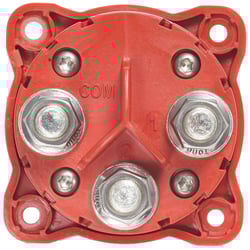




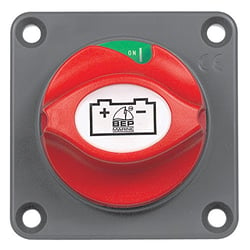
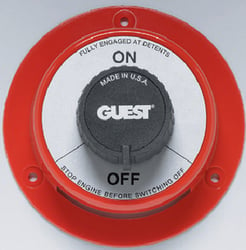

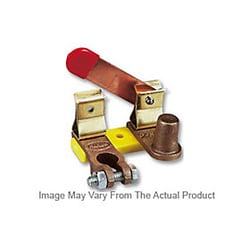
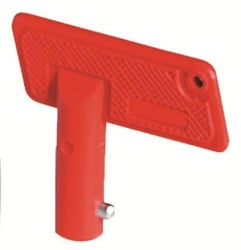

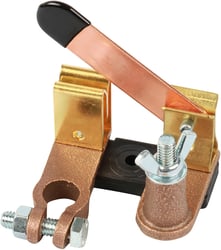
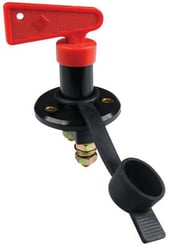
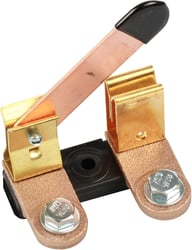
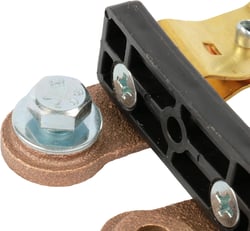
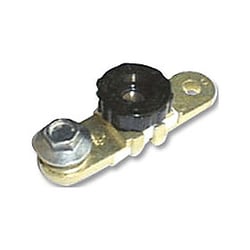
WirthCo 20148 Battery Disconnect Knife Switch for Top Post Batteries with Wing Nut


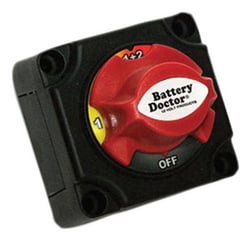
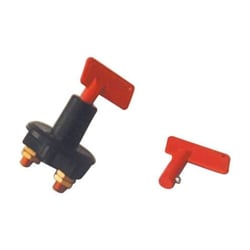
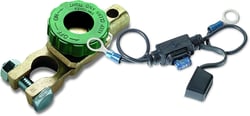
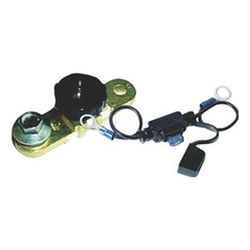
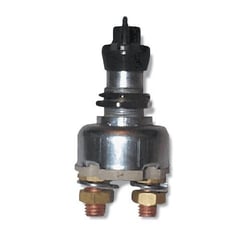

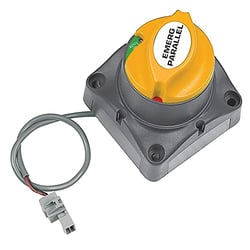
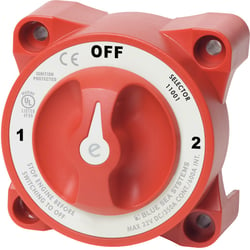
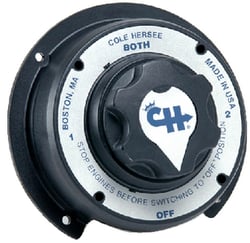
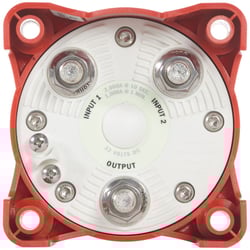
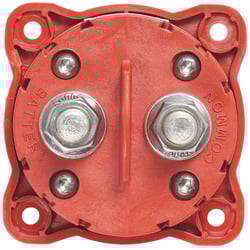
Blue Sea Systems 11001BSS Battery Selector Switch 3-Position with Alternator Field Disconnect
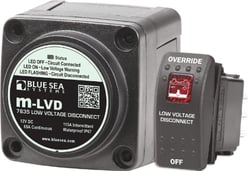
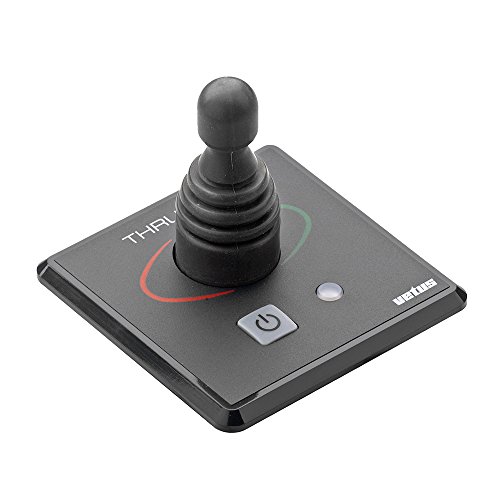 Representative Photo, actual item may vary

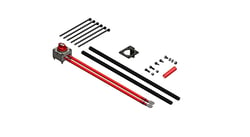

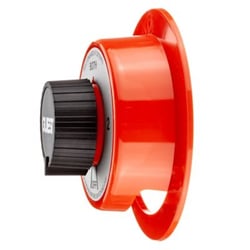
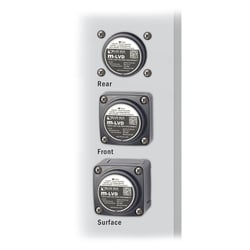
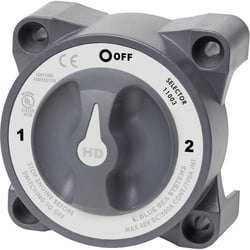
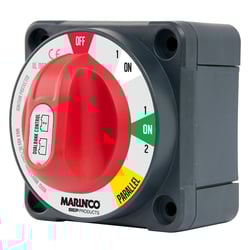
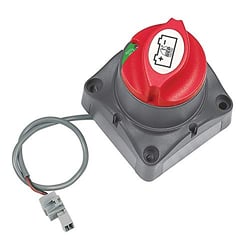
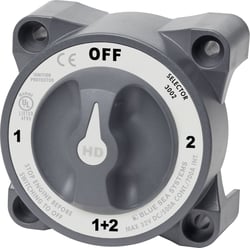
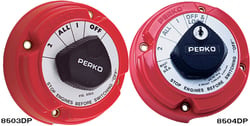
Perko 8504DP Medium Duty Locking Battery Selector Switch with Alternator Field Disconnect

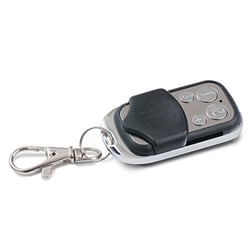
BEP Marine 80-911-0045-00 Wireless Remote Control Kit for Battery Switches
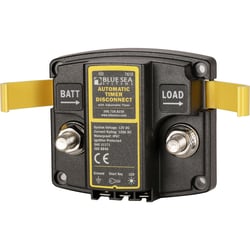
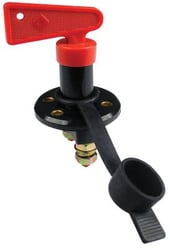
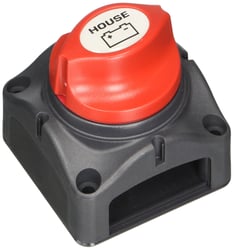

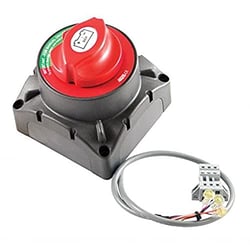
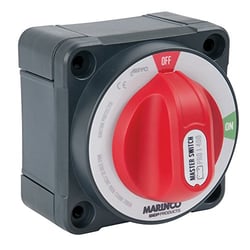
BEP Marine 720-MDO Remote Operated Battery Switch 500 Amp 12/24V Optical Sensor
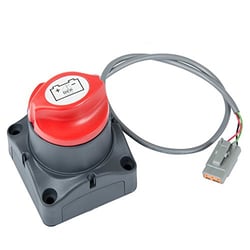
BEP Marine 701-MD-D Remote Operated Battery Switch 275A Continuous Deutsch Connector
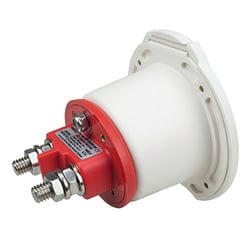
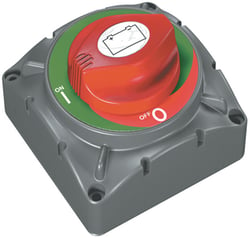

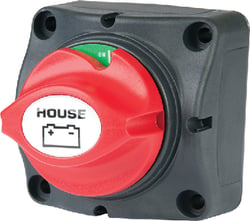
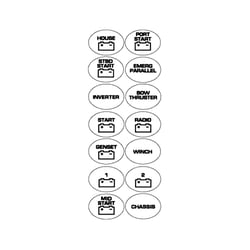
 Representative Photo, actual item may vary
Bluewater 9059-2118 22mm Inrush Protection Switch Off-(On) with LED Indicator
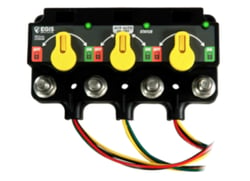
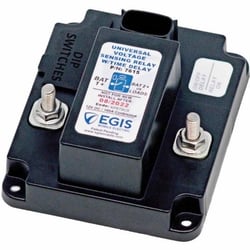
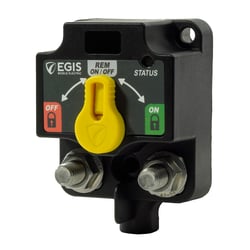
Egis Mobile Electric 8530-1535 Triple XD Flex L Battery Disconnect Switch with Relay
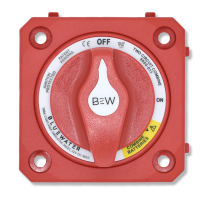 Representative Photo, actual item may vary
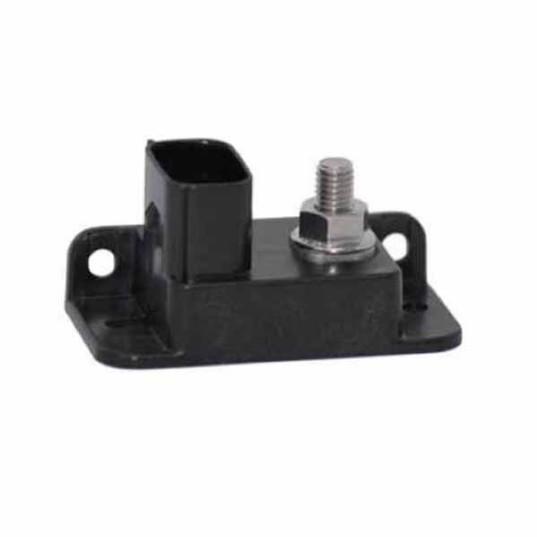 Representative Photo, actual item may vary
 Representative Photo, actual item may vary
Sea-Dog Line 830403-1 SD-53 Battery Disconnect with Circuit Breaker 60 Amp Marine

 Representative Photo, actual item may vary
Sea-Dog Line 830401-1 SD-53 40 Amp Battery Disconnect Switch with Circuit Breaker
What Is a Battery Disconnect Switch?
A battery disconnect switch — also called a battery cut-off switch, kill switch, or battery isolation switch — is a device installed in a vehicle's electrical system that allows you to completely sever the flow of current between the battery and the rest of the vehicle. Battery disconnect switches serve one core function: to stop current from flowing between the battery and the vehicle's systems, putting you in full control of your power supply at any time.
Why You Need a Battery Disconnect Switch
Modern vehicles, even when turned off, are loaded with electronics that draw power continuously. Alarm systems, infotainment units, remote start modules, and ECUs can all create what's known as parasitic drain — a small but steady power draw that, over time, can deplete your battery entirely. A disconnect switch eliminates this risk by cutting power at the source whenever the vehicle is parked for extended periods.
Beyond battery preservation, disconnect switches are essential safety tools. A battery kill switch allows you to shut off all power quickly, reducing the risk of shorts, sparks, or accidental airbag deployment during repairs. They also provide an immediate shutoff capability in the event of a short circuit or electrical fire, helping prevent further damage to the vehicle or injury to its occupants. For added security, many designs feature removable knobs or keyed locks, making it significantly harder for thieves to start and drive away a vehicle without authorization.
Types of Battery Disconnect Switches
Understanding the different form factors helps you select the right switch for your application:
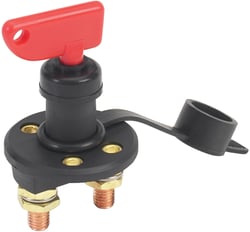
- Rotary / Knob-Style Switches: Among the most common designs, these mount directly to the battery terminal and use a simple turn-to-engage mechanism. They are typically rated for 50 to 300 amps, making them well-suited for passenger cars, trucks, and recreational vehicles.
- Knife Blade Switches: Named for their blade-shaped design, these switches are easy to operate and offer a variety of mounting orientations — a popular choice in tight engine bays and older vehicles.
- Keyed Switches: These operate like a rotary switch but require a key to engage or disengage the circuit, adding an extra layer of anti-theft protection. Once locked, the key can be removed and kept with the owner.
- Remote / Electrical Disconnect Switches: These are electromagnetic relay-based switches that use the ignition circuit or a cabin-mounted control to remotely open or close the battery connection. They are commonly used when rapid shutdown or remote control is critical, such as in emergency vehicles, specialty fleet trucks, RVs, and marine applications.
- Heavy-Duty Industrial Switches: Built with rugged, corrosion-resistant housings to withstand dust, moisture, vibration, and extreme temperatures, these switches are rated for several hundred to over a thousand amps — ideal for demanding machinery in agriculture, construction, mining, and material handling.
Where Battery Disconnect Switches Are Used
The versatility of battery disconnect switches makes them valuable across a wide range of vehicles and equipment. In automotive and racing applications, they are often mandated by sanctioning bodies and help mechanics safely isolate high-current systems during service. In marine and RV settings, they protect batteries from parasitic drain caused by onboard electronics and appliances, while also enhancing safety by completely isolating electrical systems while docked or in storage. For seasonal vehicles — classic cars, motorcycles, ATVs, snowmobiles — a disconnect switch keeps the battery fresh during off-season storage. Commercial fleets, construction equipment, agricultural machinery, and emergency vehicles all rely on them for safe power management and reduced maintenance requirements.
Key Considerations When Shopping
Choosing the right battery disconnect switch comes down to a few critical factors. First, current (amp) rating: the switch you choose should match or exceed the maximum current requirements of your vehicle's electrical system — most passenger vehicles require 125–175 amp switches, while trucks and RVs often need 200–300 amp ratings. Second, consider voltage compatibility, as most vehicles operate on 12V or 24V systems. Third, think about manual vs. remote operation based on your accessibility needs. Finally, evaluate environmental durability — if the switch will be exposed to moisture, look for waterproof ratings such as IP67 or IPX9K certification. Always ensure the switch meets any applicable safety or regulatory standards for your specific application.