



Alternators
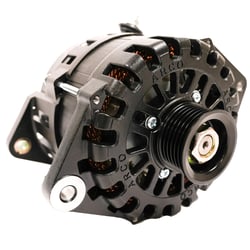

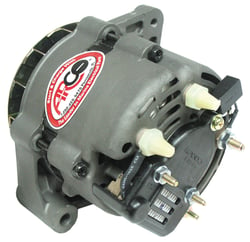
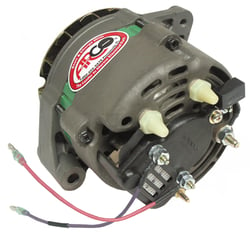
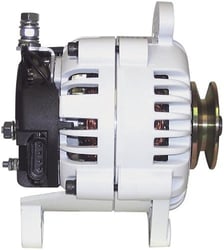
Balmar 60100SV 60-Series 100A 12V Alternator Dual Foot Saddle Mount 3.15" Isolated Ground

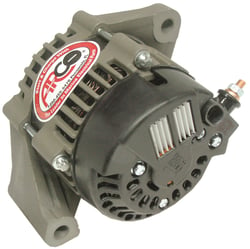
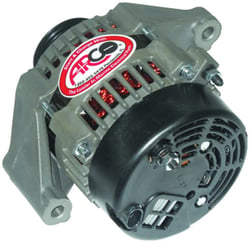
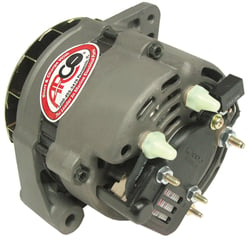
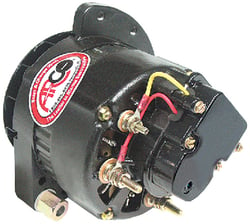
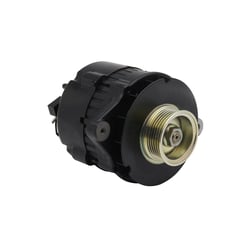
Quicksilver 807653T Mando 65-Amp Marine Alternator with Serpentine Belt Pulley

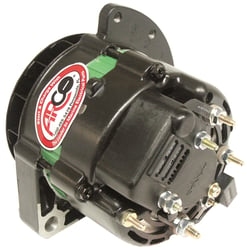
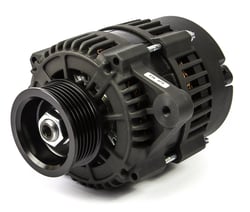
Sierra 18-6293 Alternator 7SI 70 Amp Hinge Mount Serpentine Pulley for Mercruiser

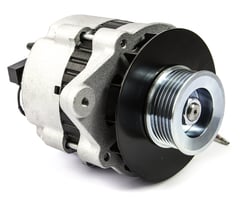
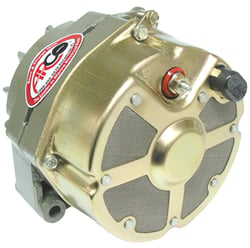
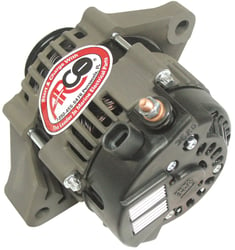
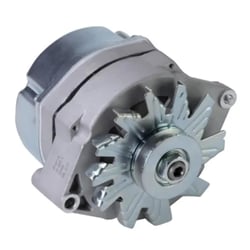
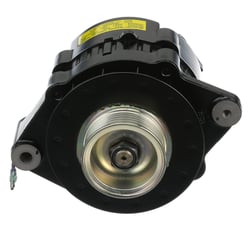
Quicksilver 807652T 55 Amp Marine Alternator Mando Serpentine Belt MerCruiser V6 V8
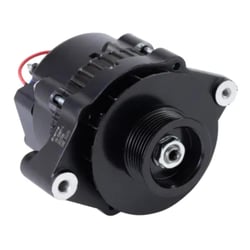
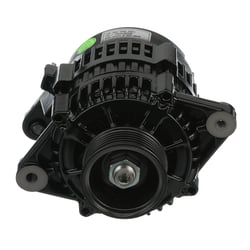
Quicksilver 862031T1 70 Amp Delco Alternator Serpentine Belt MerCruiser V6 V8
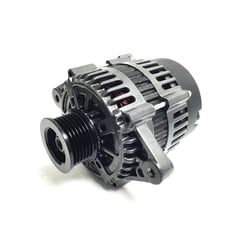
Sierra 18-6298 Alternator 70 Amp 7SI Hinge Mount Serpentine Pulley for Mercruiser
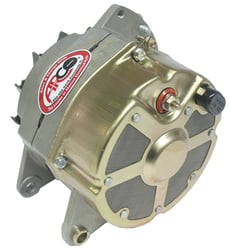
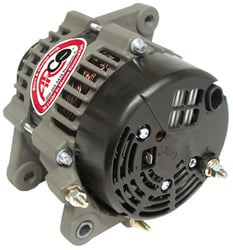
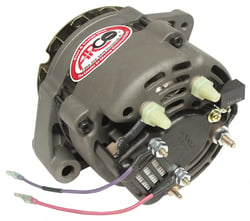
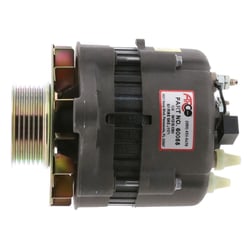
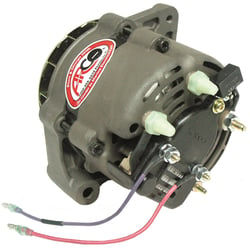
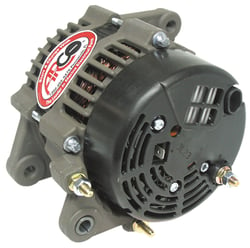
 Representative Photo, actual item may vary
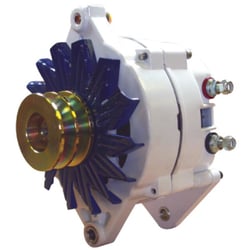
Balmar 60-100-DV 60-Series 100 Amp 12V Dual Foot Saddle Mount Marine Alternator
Balmar 60YP-MC-100-K6 100 Amp 12V Marine Alternator Charging Kit with MC-614 Regulator
Balmar 604-150-K6 604-Series 150 Amp 12V Dual Foot Marine Alternator with K6 Serpentine Pulley
Balmar 604-120-K6 120 Amp 12V 6-Series Dual Foot Saddle Mount Marine Alternator with K6 Serpentine Pulley
What Is a Marine or RV Alternator?
An alternator is the heart of your vessel's or RV's electrical charging system. While your battery provides the initial power to start the engine, the alternator takes over once the engine is running — converting mechanical energy into electrical energy to recharge the battery and power onboard systems simultaneously. Without a properly functioning alternator, your battery will drain quickly, leaving you stranded on the water or on the road far from help.
In the context of RVs and marine applications, alternators face uniquely demanding conditions. Unlike standard automotive alternators, marine-grade and RV-rated units must contend with high electrical loads from navigation systems, bilge pumps, refrigerators, shore-power converters, air conditioning, entertainment systems, and more. This constant, heavy demand makes alternator quality and capacity especially critical for these applications.
Types of Alternators for RV & Marine Use
Understanding the different types of alternators available helps you choose the right unit for your specific setup:
- Standard Replacement Alternators: Direct-fit replacements designed to match the OEM output rating of your engine. Ideal when your factory alternator has failed and you need a reliable, hassle-free swap without altering your electrical system.
- High-Output Alternators: Built to deliver significantly more amperage than the factory unit — often 150A, 200A, or more. These are the go-to choice for RVs and boats running heavy accessory loads, multiple battery banks, or inverters that power household appliances.
- Dual-Output Alternators: Designed to charge two separate battery banks simultaneously, a common requirement on boats where the starting battery and house battery bank need to be maintained independently.
- Externally Regulated Alternators: Paired with a smart external voltage regulator, these units allow for advanced charging profiles tailored to AGM, gel, or lithium battery chemistry — increasingly important as lithium battery systems become popular in marine and RV builds.
Why Your Alternator Choice Matters More on the Water and Road
Marine and RV environments push electrical systems harder than typical automotive use. Engines may run at lower RPMs while idling at a dock or at a campsite, which means the alternator must produce adequate charge at slower shaft speeds. Salt air, moisture, and vibration also accelerate wear on standard alternators not designed for these environments. Choosing a unit rated for marine or RV duty can significantly extend service life and protect against unexpected failures.
Key Considerations When Shopping for an RV or Marine Alternator
Before selecting an alternator, keep the following factors in mind:
- Amperage Output: Add up the total draw of all electrical accessories you run simultaneously and choose an alternator that comfortably exceeds that figure.
- Engine Compatibility: Alternators must match your engine's make, model, and mounting configuration. Always verify fitment before purchasing.
- Battery Type: If you're running AGM or lithium batteries, look for alternators compatible with smart regulators that can deliver the correct charging voltage profile.
- New vs. Remanufactured: Remanufactured alternators can offer solid value, but new units often provide greater longevity — an important consideration for offshore or long-haul RV use where reliability is paramount.
- Duty Cycle: Marine-rated alternators are built to handle continuous high-load operation. If your engine runs for extended periods under load, prioritize units specifically rated for continuous duty.
Whether you're upgrading a aging charging system on your cruiser, outfitting a new RV build, or simply replacing a failed unit, choosing the right alternator is one of the most important investments you can make in your vessel's or RV's electrical reliability.