



Epoxy Adhesives



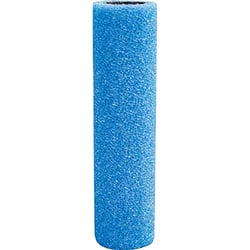

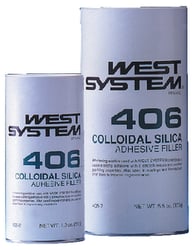
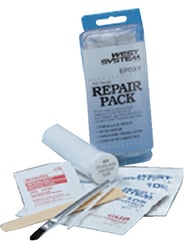
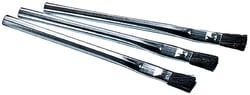
- 1
- 2
Why Epoxy Adhesives Are Essential for RV and Marine Maintenance
When it comes to repairs on a boat hull, an RV sidewall, or any structure that endures constant moisture, vibration, and thermal cycling, ordinary adhesives simply don't cut it. Epoxy adhesives are two-part bonding systems — typically a resin and a hardener — that chemically cure into an exceptionally hard, durable matrix. Unlike contact cements or polyurethane sealants, a properly mixed epoxy forms a structural bond that can be stronger than the substrate itself, making it the go-to solution for everything from hull crack repairs and deck delamination to RV fiberglass panel bonding and hardware installation.
What Makes Marine & RV Epoxies Different
Not all epoxies are created equal, and the marine and RV environment is among the most demanding imaginable. A quality marine-grade epoxy must balance multiple properties simultaneously: high tensile and shear strength, excellent moisture resistance, the ability to bond dissimilar materials like fiberglass, wood, aluminum, and various plastics, and sufficient working time to allow proper application. Formulations that excel in one area while sacrificing another are common in the general market, which is why purpose-built marine epoxies from specialized manufacturers are worth seeking out.
For RV applications, epoxies face a different but equally challenging set of demands — temperature extremes from desert heat to mountain cold, constant road vibration, and exposure to rain and UV. A well-chosen epoxy will flex slightly with the structure rather than crack, maintain its bond year after year, and resist the peeling that can allow moisture intrusion into walls and substrates.
Key Considerations When Choosing an Epoxy Adhesive
- Open time vs. cure time: Longer open time lets you position and adjust parts before the bond sets — critical for large repairs. Fast-cure formulas are better for small spot repairs where speed matters.
- Viscosity and thixotropy: Thin epoxies penetrate porous wood and fiberglass well; thicker, thixotropic formulas resist sagging on vertical surfaces and are better for gap-filling and filleting.
- Substrate compatibility: Confirm the epoxy bonds to your specific materials — fiberglass, aluminum, ABS plastic, and treated wood each have different surface energy profiles.
- Moisture resistance: For any below-waterline or exterior RV application, look for formulas specifically rated for waterproof or water-immersion use.
- Temperature range: Some hardeners are optimized for cold-weather application; others are formulated for warm or hot working conditions.
Top Brands in Epoxy Adhesives
When it comes to marine and RV epoxy adhesives, a few names stand out as consistent leaders trusted by professionals and serious DIYers alike.
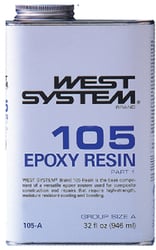
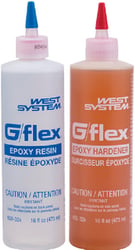
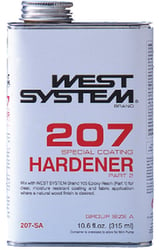
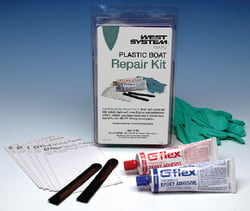
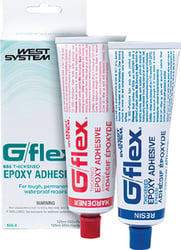
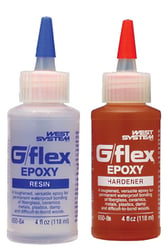
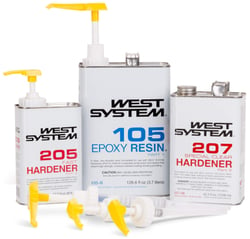
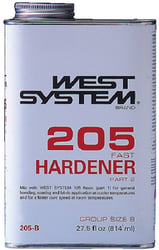
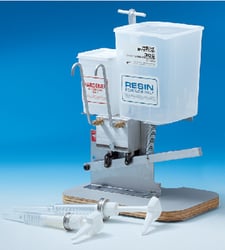
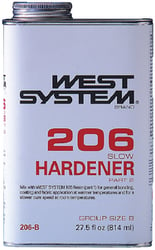
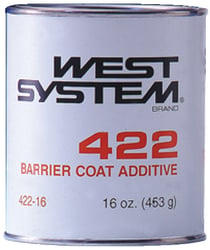
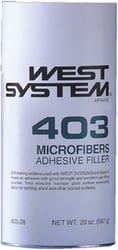
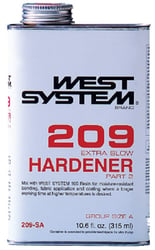
West System is perhaps the most recognized name in marine epoxy. Founded in 1969 by sailors and builders who understood composite structures from the ground up, West System pioneered the modular epoxy approach — a base resin paired with selectable hardeners and fillers that can be tailored to the exact demands of each job. Their system allows users to dial in working time, viscosity, and cured physical properties, making it equally capable of laminating fiberglass cloth, encapsulating wood against rot, or creating strong structural fillets. It remains the benchmark against which other marine epoxies are measured.
SEM Products brings decades of expertise in repair and refinishing chemistry to the epoxy adhesive category. Known across the automotive, aerospace, and marine industries, SEM's structural adhesive line — including their well-regarded Dual-Mix™ format — is engineered for bonding structural and non-structural panels across a wide range of substrates including steel, aluminum, SMC, and fiberglass. For RV builders and repairers working on composite panels and body components, SEM offers professional-grade solutions with the OEM-recommended credibility that serious technicians look for.
Fluid Film rounds out the lineup with specialty maintenance chemistry trusted by marine and RV enthusiasts who demand products that perform in wet, corrosive environments. Their presence in this category reflects the real-world overlap between bonding, sealing, and protective treatment that marine and RV maintenance often requires.