



Battery Isolators & Voltage Sensitive Relays




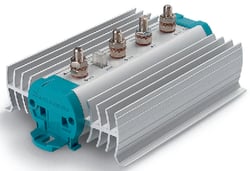

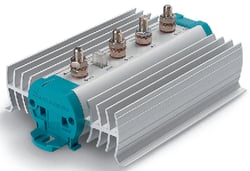
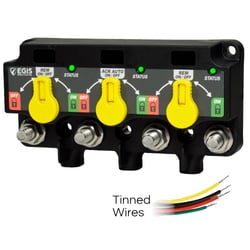
Egis Mobile Electric 8730-1535 XD Series Triple Flex 2 Relay ACR with Manual Override Knobs

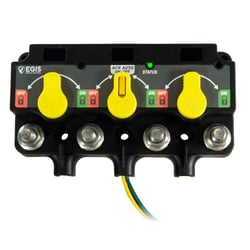
Egis Mobile Electric 8830-1939 XD Series Triple Flex 2 Mechanical Switch ACR with Knob


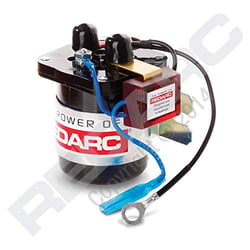

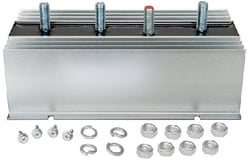
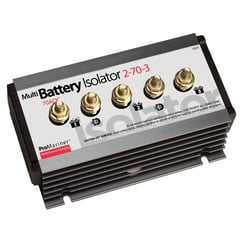
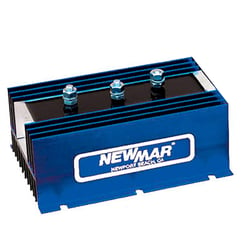
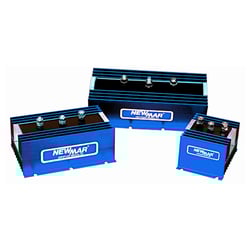
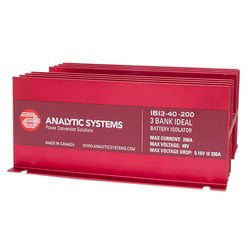
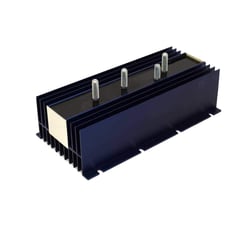
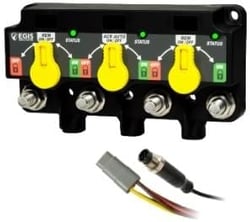
Egis Mobile Electric 9831-2535 Triple XD NMEA 2000 Battery Management System with Manual Knobs
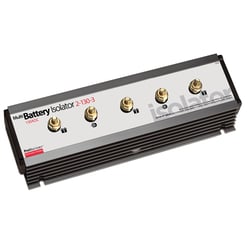
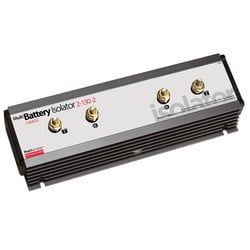
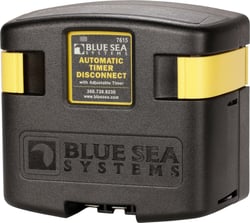
Blue Sea Systems 7615BSS Automatic Timer Disconnect Battery Management Relay 12V

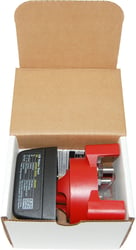
Blue Sea Systems 7650003BSS Add-A-Battery Kit 120A with Dual Circuit Plus Switch and ACR
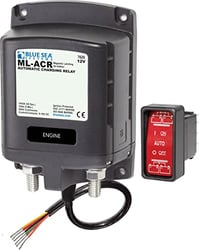
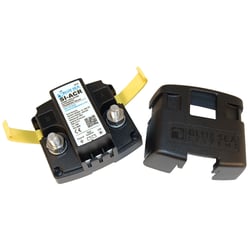
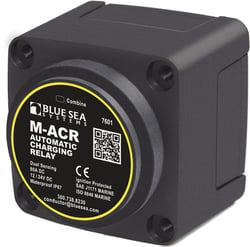



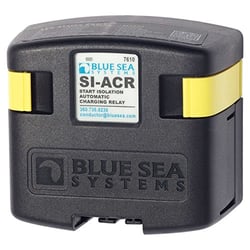

BEP Marine 716-H-140A-DVSR Horizontal Battery Distribution Cluster 1 Engine 2 Battery Banks

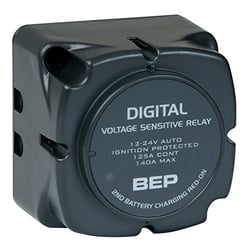
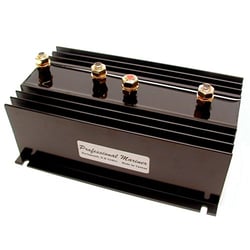
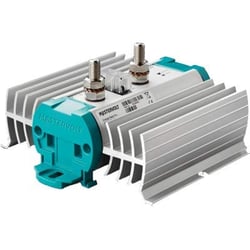
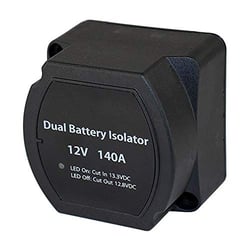

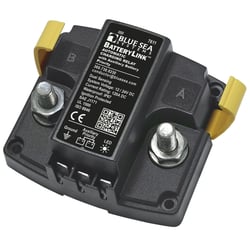
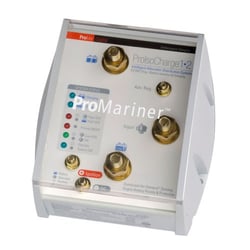
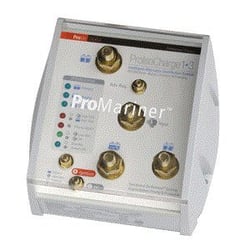
 Representative Photo, actual item may vary
Egis Mobile Electric 8620-6350 XD Dual Flex L VSR/Relay with Knob 6-Pin DT Connector
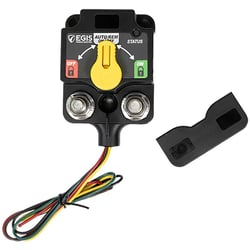
Egis Mobile Electric 8820-1110 XD Flex 1 Dual Relay/ACR with Knob 6-Pin DTM Connector
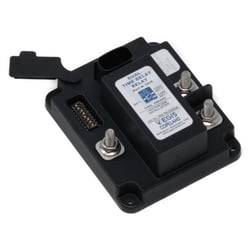
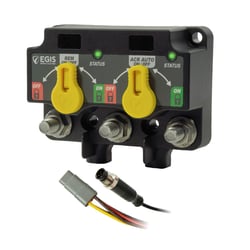
Egis Mobile Electric 9821-8550 Dual XD NMEA 2000 Relay Controller 8 Position
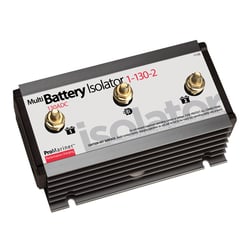
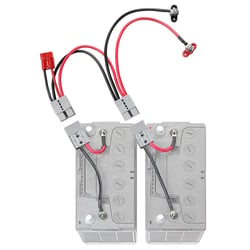

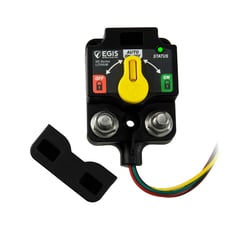
Egis Mobile Electric 8610-1300 XD FLEX L Lithium Battery ACR/RE Automatic Charging Relay
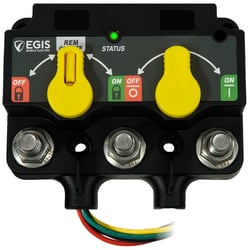
Egis Mobile Electric 8720-1390 Dual XD Flex 2 Battery Management Relay with Manual Knobs
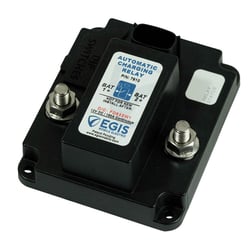
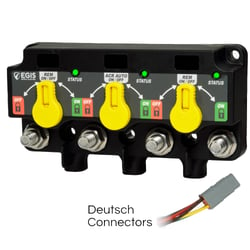
Egis Mobile Electric 8830-1535 XD Series Triple Flex 2 Relay ACR Battery Management Module
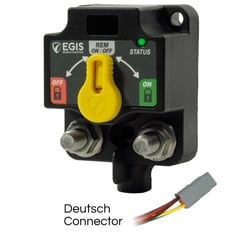
Egis Mobile Electric 8810-1500 XD Series Single Flex 2 Relay ACR with Manual Override
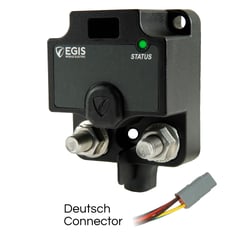
Egis Mobile Electric 8810-1400 XD Series Single Flex 2 ACR Relay DTM Connector
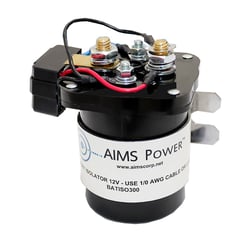
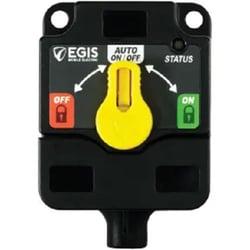
Egis Mobile Electric 8710-1300 XD Flex 2 Single Programmable VSR/ACR with Knob and Tinned Wires
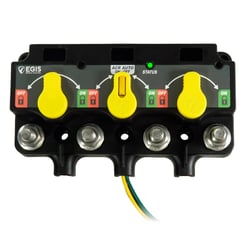
Swift Kompany 8730-1939 XD Flex 2 Triple Mech/VSR/Mech Battery Switch with Knobs
What Are Battery Isolators and Voltage Sensitive Relays?
Whether you're running a deep-cycle house battery on a boat, powering accessories in an RV, or managing a dual battery setup in an off-road rig, battery isolators and voltage sensitive relays (VSRs) are the unsung heroes that keep your electrical system reliable. At their core, these devices solve a deceptively simple problem: how do you charge two or more batteries from one alternator without letting them drain each other?
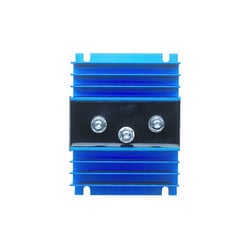
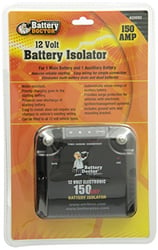
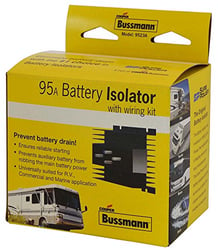
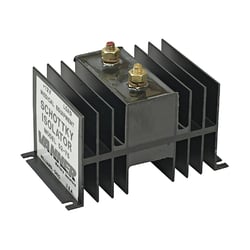
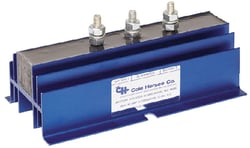
Battery isolators use diode technology to split charging current from a single alternator across multiple battery banks simultaneously, ensuring current can only flow in one direction. This prevents a discharged auxiliary battery from siphoning power from your starter battery when the engine is off. Voltage sensitive relays (VSRs) — also known as Automatic Charging Relays (ACRs) or battery combiners — take a more modern, relay-based approach. They automatically monitor system voltage and connect the battery banks together when the alternator is actively charging, then disconnect them once the engine shuts off and voltage drops below a preset threshold.
How VSRs Work
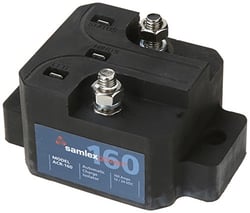
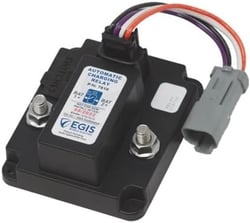
When your engine is running and the alternator brings the primary battery voltage up to approximately 13.3–13.7V, the VSR closes its relay contacts, linking the starter and auxiliary batteries in parallel so both receive a full charge simultaneously. When you shut the engine off and system voltage falls — typically below 12.8V — the relay opens, electrically isolating the two banks. This means your accessories can run freely from the auxiliary battery without any risk of leaving you stranded with a dead starter battery.
One key advantage VSRs hold over traditional diode-based isolators is minimal voltage drop. Diode isolators can introduce a voltage loss of 0.6V or more, which can result in undercharging over time. VSRs, by contrast, pass current through relay contacts with negligible resistance, ensuring the auxiliary battery receives the full charging voltage the alternator produces.
Where Are These Devices Used?
Battery isolators and VSRs are essential in a wide range of applications:
- Marine vessels with separate engine-start and house battery banks
- RVs and camper vans running refrigerators, lighting, and 12V appliances
- Off-road trucks and UTVs with auxiliary lighting, winches, or communication equipment
- Emergency and commercial vehicles with multiple onboard power demands
What to Consider When Shopping
Choosing the right isolator or VSR starts with understanding your system's current demands. Your isolator should be rated to handle the maximum output of your alternator — and ideally rated higher than your expected peak draw to provide a safety margin. Confirm whether the unit supports 12V, 24V, or both, and check battery chemistry compatibility, as some VSRs are not suitable for lithium-ion battery banks. Consider whether you need a simple two-bank setup or a multi-bank solution for more complex systems.
Top Brands in Battery Isolators & Voltage Sensitive Relays
MasterVolt is a globally respected name in marine and mobile power management. Their BI series battery isolators are built on proven diode technology with fully solid-state, corrosion-resistant construction and aluminum heat sinks, while their advanced Battery Mate line uses MOSFET-based electronics to compensate for voltage drop and deliver fast, complete charging across multiple battery banks without alternator adjustments.
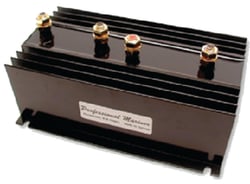
Pro Mariner brings decades of marine-grade engineering to their battery isolator lineup. Their Multi Battery Isolator series features gold-plated terminals for improved efficiency and an IP68 waterproof rating, making them a go-to choice for boaters who demand reliability in harsh, wet environments. Their ProIso Charge line eliminates traditional diode voltage loss while delivering digitally controlled multi-bank charging.
Blue Sea Systems is widely regarded as a leader in marine electrical components. Their Automatic Charging Relays (ACRs) are engineered to simplify dual-battery system design — connecting banks during charging and isolating them during discharge — without requiring any modifications to existing chargers or regulators, making them a favorite among boat builders and serious marine enthusiasts alike.