



Windlasses
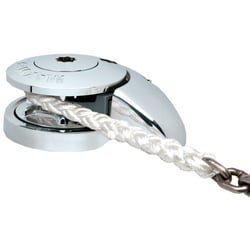

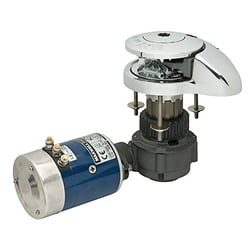
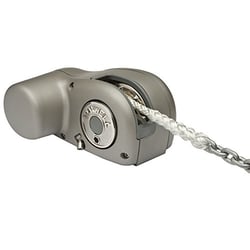
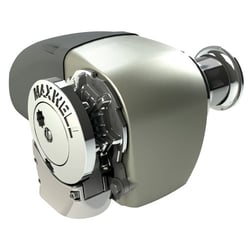
Maxwell HRC101012V HRC10 Horizontal Windlass 12V 1870 lb 3/8" Chain 5/8" Rope
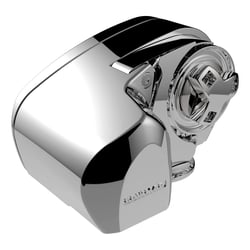
Lewmar 6657011108-102 Pro Series 1000H Horizontal Stainless Steel Windlass 12V

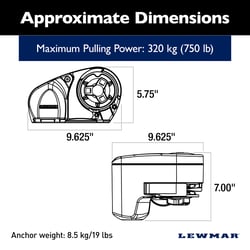
Lewmar 6656211967-310 Pro-Fish 700 Horizontal Free Fall Anchor Windlass Kit 12V
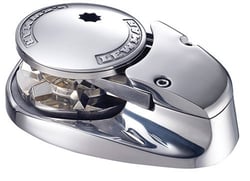
Lewmar 6656011967-310 Pro Series 700H Horizontal Windlass Kit 12V Stainless Steel
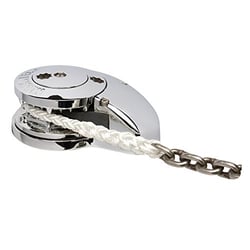
Maxwell RC101012V Automatic Rope Chain Windlass 3/8" HT Chain to 5/8" Rope
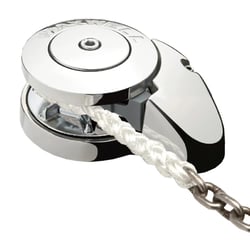
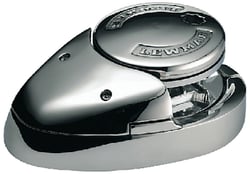
Lewmar 6672011108138 V2 Series 12V Vertical Windlass with Rope/Chain Gypsy
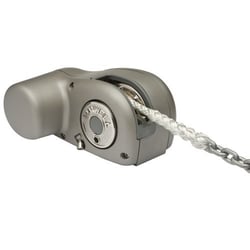
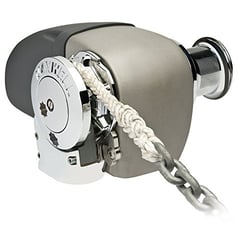
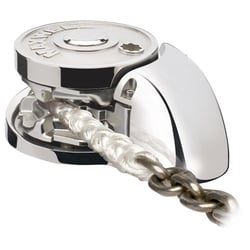
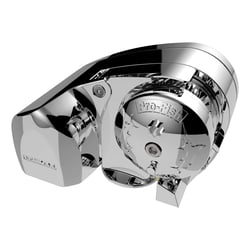
Lewmar 6656411108102 Pro-Fish 1000 Horizontal Anchor Windlass 12V with Automatic Freefall
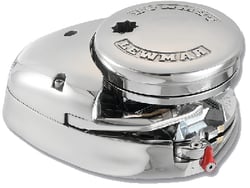
Lewmar 6671011108138 V1 Series Vertical Windlass 12V with Gypsy, 5/16" Chain, 1/2"-5/8" Line
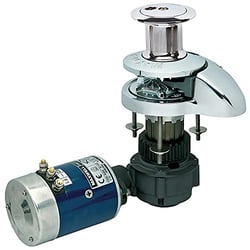
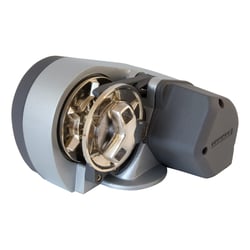
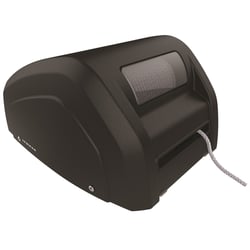
 Representative Photo, actual item may vary
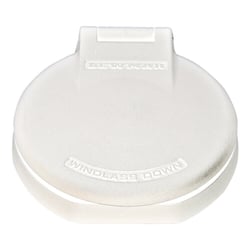
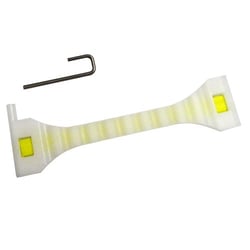
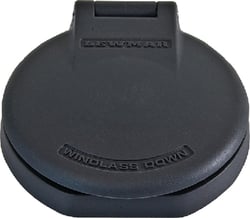
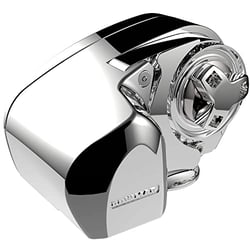
Lewmar 6656011967 Pro-Series 700 Horizontal Windlass 12V Dual Gypsy Without Switch
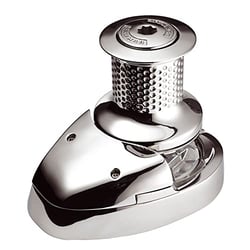
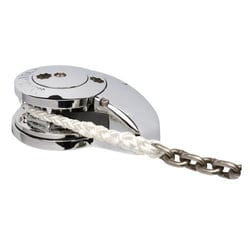
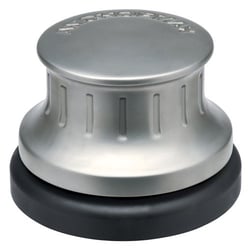
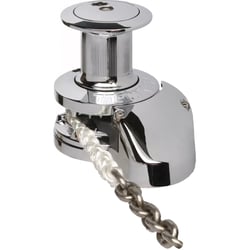
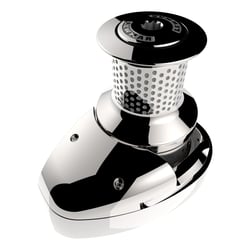
What Is a Windlass and Why Does Your Boat Need One?
A windlass is the essential deck-mounted powerhouse that handles one of boating's most demanding tasks: deploying and retrieving your anchor. Think of it as a heavy-duty winch purpose-built for anchor handling — it uses a motor-driven gypsy wheel with precisely shaped pockets that engage each link of your anchor chain, giving you controlled, consistent power whether you're setting the hook in a quiet cove or weighing anchor in a stiff breeze. Without a windlass, hauling up even a modest anchor and rode by hand can be exhausting and potentially unsafe, particularly in challenging conditions or deep anchorages.
A windlass is far more than a convenience upgrade. It handles smooth anchor deployment, controlled retrieval under load, and proper tension management so your rode doesn't pile up or jam — all critical functions that directly affect onboard safety. Modern electric windlasses even offer one-touch anchoring from a foot switch or handheld remote, giving you full control without ever leaving the helm area.
Vertical vs. Horizontal Windlasses
The two primary styles — vertical and horizontal — suit different deck layouts and anchor locker configurations, and choosing correctly is just as important as choosing the right size.
- Vertical Windlasses: The most popular choice for sailboats and cruisers, vertical models keep a low, clean deck profile by placing the motor below deck. The anchor rode makes a full 180° wrap around the gypsy for smooth transitions and reliable grip. The trade-off is that they require at least 12–18 inches of locker "fall" distance for the rode to feed properly.
- Horizontal Windlasses: Self-contained above deck, horizontal models are ideal for boats with shallow or irregularly shaped chain lockers since they don't rely on a deep fall. They're also easier to service and inspect without going below. Their slightly larger footprint on the foredeck is the main aesthetic trade-off.
Choosing the Right Windlass: Key Considerations
Selecting the right windlass comes down to a handful of critical factors that go well beyond simply matching your boat's length:
- Pulling Power: A widely used rule of thumb is to choose a windlass rated for at least three times the total weight of your anchor, chain, and rode. If your boat has significant windage — a tuna tower, large dodger, or high freeboard — size up accordingly.
- Rode Compatibility: The gypsy must precisely match your chain's size and grade (such as G4 or ISO). A mismatch will cause the chain to slip or jump, which is both dangerous and damaging. Many modern windlasses also handle rope-to-chain combination rodes on a single gypsy.
- Power Source: Electric windlasses are the most popular option for recreational boats, offering generous lifting power at the push of a button and compatibility with most onboard 12V or 24V electrical systems. Hydraulic models deliver the most raw power and are suited to larger yachts with existing hydraulic systems. Manual windlasses remain a lightweight, cost-effective solution for smaller vessels or as a backup.
- Material and Corrosion Resistance: Marine-grade stainless steel and corrosion-resistant aluminum are the materials of choice for any windlass that will live on an exposed foredeck. Skimping on material quality in a saltwater environment leads to rapid failure.
Top Windlass Brand
Maxwell is the most trusted name in the windlass category, and for good reason. Maxwell Marine, founded in 1969 in Auckland, New Zealand, pioneered the automatic rope/chain windlass in the mid-1990s — a breakthrough that fundamentally changed how boaters handle their ground tackle. Today, with over 50 years of continuous development, Maxwell's extensive lineup covers vessels ranging from 20-foot day boats to 300-foot superyachts, including the popular RC vertical series, the HRC horizontal series, and the heavy-duty RC12 series. Maxwell windlasses feature the brand's patented Wave Design™ chainwheel, which uses offset ribs in an undulating pattern to provide superior grip and reduced wear compared to traditional designs. Most Maxwell models also carry a 3-year warranty on manufacturing defects, reflecting the brand's long-standing confidence in their build quality.