



Motors, Parts & Propellers
 A/C Clutch and Compressor
 A/C Condenser and Evaporator
 ABS Components
 Accessory Drive Belt System Components
 Adhesives
 Air Injection System
 Air Tools
 Alternator / Generator and Related Components
 Anchoring
Anchoring
Anchoring
 Anodes
Anodes
Anodes
 Appearance Products
 Axle Shaft
 Battery and Related Components
 Body Actuators and Motors
 Body, Frame and Paint Equipment
 Books
Books
 Brackets, Flanges and Hangers
 Brake Hydraulics
 Carburetion
 Clamps
 Cleaning Products
 Clothing
 Control Cables
 Control Modules
Controls
Cooling
Control Modules
Controls
Cooling
 Cooling Fan, Clutch and Motor
 CV Components
 Cylinder Block Components
 Disc Pads and Brake Shoes
 Distributor and Magneto
 Doors
Doors
 Drive
Drive
Drive
Drive
 Drive Shaft
 Driveline
 Drums and Rotors
 Electrical
Electrical & Batteries
Electrical
Electrical
Electrical & Batteries
 Electrical Connectors
 Electrical Connectors
 Electrical Connectors
 Electrical Connectors
 Electronics
Electronics
Electronics
 Engine
Engine
Engine
Engine
Engine
 Evaporative System
Exhaust
Evaporative System
Exhaust
 Exhaust and Tail Pipes
 Exhaust Manifolds
 Fasteners
 Filters
 Filters
 Fishing
Fishing
Fishing
 Fittings
 Fittings
 Fittings
 Fittings
 Flasher Units, Fuses, and Circuit Breakers
 Floor
Fluids & Chemicals
Floor
Fluids & Chemicals
 Fuel
Fuel
Fuel
Fuel
 Fuel & Air
Fuel & Air
Fuel & Air
 Fuel Injection System and Related Components
 Fuel Pumps and Related Components
 Fuel Storage
Fuel System
Fuel Storage
Fuel Storage
Fuel System
 Fuel System Service
 Functional Fluid, Lubricant, Grease (including Additives)
 Gaskets and Sealing Systems
 Gaskets and Sealing Systems
 Gaskets and Sealing Systems
 Gaskets and Sealing Systems
 Gaskets and Sealing Systems
 General Boating
General Boating
General Boating
 Grille
 Hand Tools
 Hardware
Hardware
Hardware
 Hardware
 Hardware
 Hardware
 Hardware
 Hardware
 Hardware
 Hardware
 Hood
Hood
 Hoses and Pipes
 Hoses and Pipes
 Hoses and Pipes
 Hoses and Pipes
 Hubs and Related Components
Ignition & Engine Electronics
Hubs and Related Components
Ignition & Engine Electronics
 Ignition Coil
 Ignition Wire and Related Components
 Instrument Panel
 Interior
 Lighting - Exterior
 Maintenance
Maintenance
Maintenance
 Manual Transmission Components
 Miscellaneous Merchandise
 Motors
 Motors, Core, Case and Related Components
 Mufflers
 Navigation
Navigation
Navigation
 Paint
Paint
Paint
Paint
 Plumbing
Plumbing
Plumbing
 Power Steering Hoses, Pumps, and Related Components
Powersports & Marine
Power Steering Hoses, Pumps, and Related Components
Powersports & Marine
 Powersports & Marine
 Primary Ignition
 Propellers
Propellers
Propellers
 Radiators, Coolers and Related Components
 Relays
 Rocker Panel
 Roof
Roof
 RV and Marine Accessories
 Seats
Seats
 Secondary Ignition
 Sensors
 Sensors
 Sensors
 Sensors
 Sensors
 Service Kits
 Service Kits
 Service Kits
 Service Kits
 Shop Equipment
 Starter and Related Components
 Steering & Controls
Steering & Controls
Steering & Controls
 Steering Wheel
 Steering, Gear and Related Components
 Suspension, Springs and Related Components
 Switches
 Switches
 Switches
 Switches
 Switches
 Temperature Controls and Related Components
 Thermostat and Housing
 Tire
Tire
 Tire Service
Tools & Maintenance
Tire Service
Tools & Maintenance
 Trailering
Trailering
Trailering
 Transfer Case Components
 Transmission Hard Parts
 Transmission Service
 Transmission Valve Body
 Trolling Motors
Trolling Motors
Trolling Motors
 Trunk Lid and Compartment
 Tubing
 Undercar
 Underhood
 Valve Train Components
 Ventilation
Ventilation
Ventilation
 Voltage Regulator
 Water Pump and Related Components
 Wheel
Wheel
 Winch
Winch
 Windshield Wiper Arm, Blade, and Related Components
 Wire, Cable and Related Components
 Wire, Cable and Related Components
 Wire, Cable and Related Components

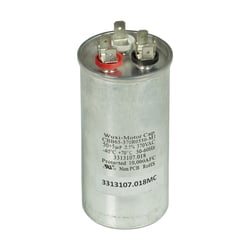
MC 3313107.018MC Dual Run Capacitor 50/5 MFD 370V for Dometic RV Air Conditioner

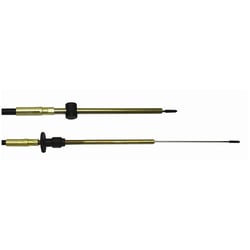
 Representative Photo, actual item may vary









 Representative Photo, actual item may vary


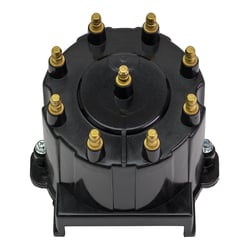


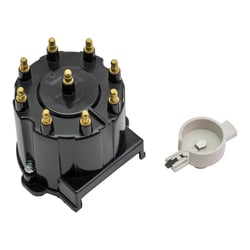
Quicksilver 808483Q1 Distributor Cap Kit for GM V8 Marine Engines with Delco HEI
 Representative Photo, actual item may vary
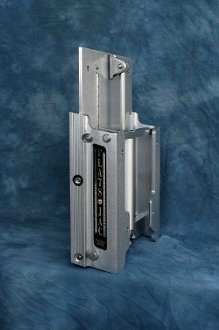
Bob's Machine 110-501001 Jack Plate Transducer Mount for 8 Inch and Up Plates

Essential Marine Motors and Components for Every Boater
Marine motors, parts, and propellers form the propulsion foundation of modern boating, particularly for anglers and recreational boaters who demand precise boat control and reliable performance on the water. Whether you're navigating shallow fishing spots, holding position in current, or maneuvering in tight spaces, the right electric motor system and supporting components can transform your time on the water from frustrating to effortless.
Electric trolling motors have evolved dramatically from simple auxiliary propulsion devices into sophisticated navigation tools. Today's systems integrate GPS anchoring, wireless remote control, variable speed management, and even fish finder compatibility—allowing boaters to focus on fishing or enjoying the water rather than constantly adjusting their position. The propeller, motor shaft, mounting hardware, and electrical components all work together as a system, making quality parts selection critical for both performance and longevity.
Understanding Trolling Motor Systems
At the heart of this category are trolling motors, which serve as quiet, efficient alternatives to gas-powered outboards for boat positioning and slow-speed navigation. These electric motors mount to either the bow or transom of your vessel and provide precise directional control through hand tiller, foot pedal, or remote operation. Modern trolling motors range from simple freshwater models for small fishing boats to advanced saltwater-rated systems with thrust ratings exceeding 100 pounds, capable of moving larger vessels in challenging conditions.
The propeller represents a critical wear component in any motor system. Blade design, pitch, and material composition directly affect thrust efficiency, battery consumption, and motor lifespan. Aluminum and composite propellers each offer distinct advantages depending on your operating environment—aluminum provides durability for rocky bottoms and debris-filled waters, while composite props run quieter and resist corrosion in saltwater applications. Replacing a damaged or worn propeller promptly prevents motor strain and maintains optimal performance.
Choosing the Right Components
When selecting motors and parts, several factors guide smart purchasing decisions. Thrust rating should match your boat's size and weight—a common guideline suggests at least 2 pounds of thrust for every 100 pounds of fully loaded boat weight. Shaft length must accommodate your boat's bow height or transom depth, ensuring the propeller runs at the proper depth without cavitation. Voltage requirements (12V, 24V, or 36V) determine both power delivery and battery configuration, with higher voltages generally providing more thrust and efficiency for larger vessels.
Mounting style matters significantly for boat control. Bow-mount motors offer superior maneuverability and are preferred by serious anglers, while transom-mount motors provide simplicity and work well on smaller boats or as backup propulsion. Cable-steer and electric-steer mechanisms differ in responsiveness and durability, with newer electric steering systems offering features like autopilot and GPS route following that cable systems cannot match.
Top Brand in Marine Motors
Minn Kota has pioneered trolling motor technology for over 90 years, introducing innovations like GPS-enabled Spot-Lock anchoring, wireless remote control, and integrated fish finder transducers that have redefined what electric motors can accomplish on the water. The brand maintains dominant market share in both bow-mount and transom-mount categories, with product lines spanning entry-level freshwater motors to professional-grade saltwater systems designed for demanding offshore conditions.
Maintaining Your Marine Motor System
Proper maintenance extends the service life of motors and components significantly. Regular inspection of propellers for damage, debris, and fishing line wrapped around the shaft prevents unnecessary motor strain. Checking electrical connections for corrosion, particularly in saltwater environments, ensures reliable power delivery and prevents voltage drop that reduces performance. Periodically lubricating the motor shaft and inspecting mounting hardware for tightness protects against vibration damage and potential loss of equipment.
Replacement parts availability becomes crucial for keeping older motors operational. Quality manufacturers support their products with comprehensive parts catalogs covering everything from control boards and armatures to brackets and wiring harnesses. Investing in genuine replacement components rather than generic alternatives typically proves more cost-effective long-term, as engineered parts maintain original performance specifications and durability standards.